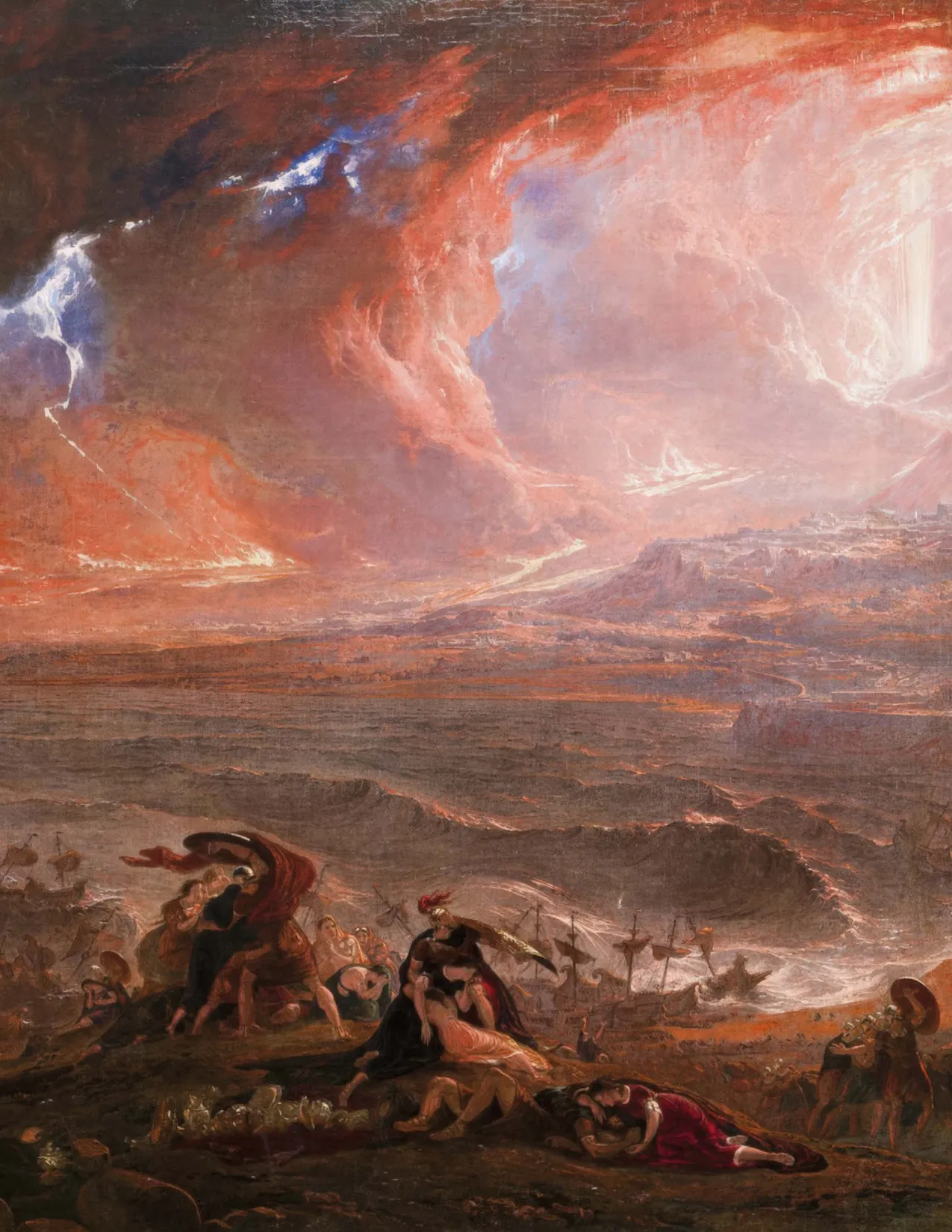
You can use the accumulated dead from collateral damage to determine how the people of Mytros react to the battle in the following months. High numbers of casualties result in a long period of mourning, whereas low numbers of casualties result in great festivities. If the party sent the dragons to rescue citizens, then just subtract the number of rescued citizens from the final cumulative death toll. Mortals who have been transformed into beasts revert back after 8 hours.
- High Casualties (8,000 or more): The survivors are grateful to be alive, but they cannot possibly celebrate the heroes as saviors of the city—what exactly did they save? They may have even contributed to the destruction. The city spends months memorializing the dead and years rebuilding. Good-aligned characters should feel remorseful for not saving more lives. Medium Casualties (2,000 to 8,000): The city spends several months in mourning, punctuated by great feasts. Many of the feasts are in the heroes honor. Major characters who died in the battle are memorialized with grand eulogies and funeral games. Everyone looks to the heroes for leadership—what comes next for Thylea? Low Casualties (2,000 or less): The heroes are catapulted to impossible levels of fame. They are living legends, worthy to be anointed as kings and queens— perhaps they should even be revered as gods!
Kings and Queens#
With the fall of Acastus, the city of Mytros has lost its king. The Titans have fallen, and the gods are no longer gods. It’s time for a new order to reign in Thylea. The heroes should now be at an exceptional level of fame, with shrines or temples across the land venerating their names. The time has come for the heroes to ascend to their rightful place as the new rulers of Thylea.